New Institutional Report Released
Access our strategic market perspective on necessity-based real estate and private credit fundamentals.
Read Full Report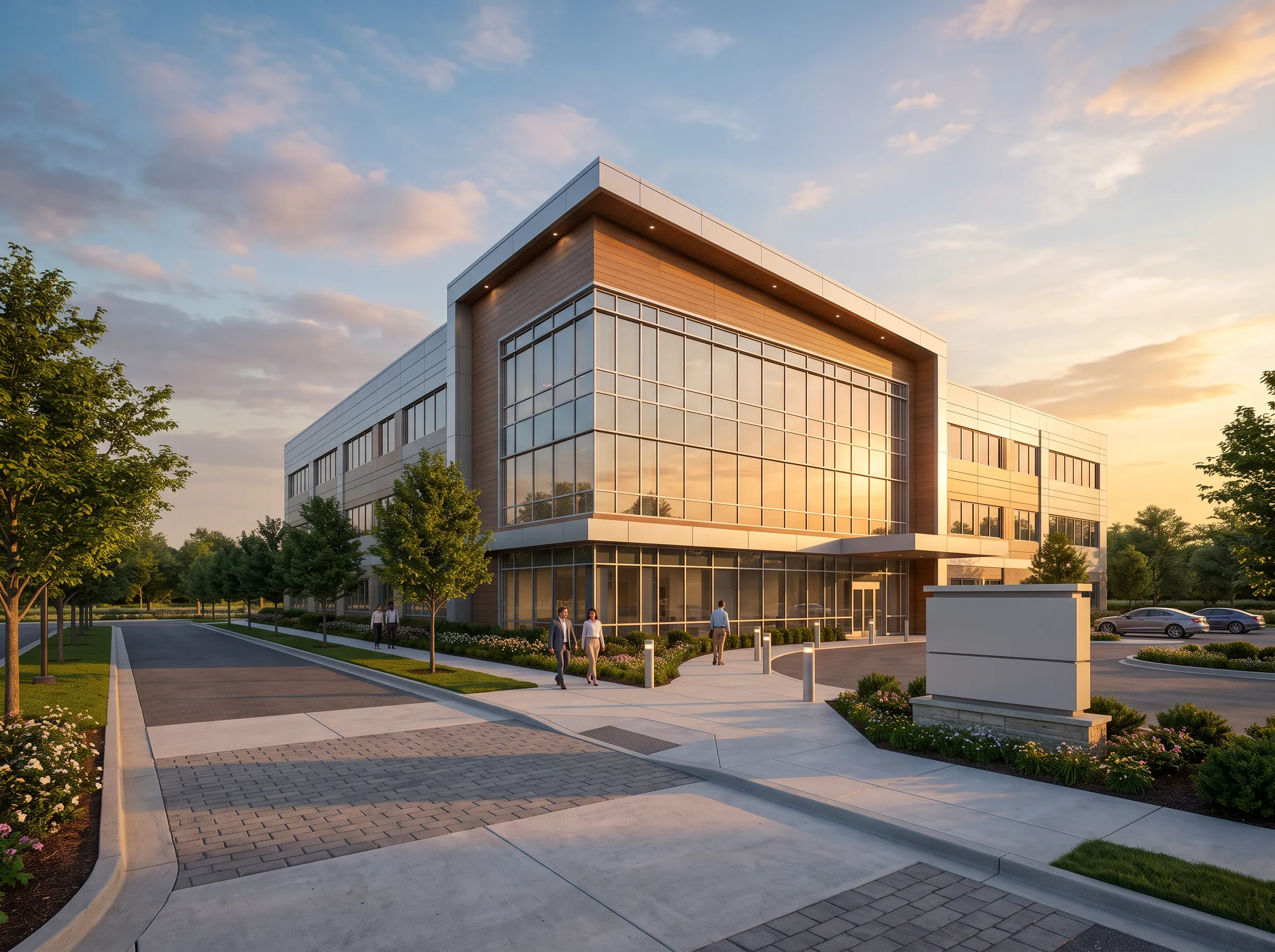
OTIMA acquires medical outpatient buildings — the real estate behind everyday healthcare. We buy them for the same reason we buy grocery-anchored retail: people need them in every economy.
THE BUILDINGS FOLLOWED.
Healthcare visits are driven by demographics and health, not the economy. America's 65-plus population is its fastest-growing age group, and older adults use a multiple of the physician services younger people do. Every year brings more care — and more of it delivered in outpatient settings.
Health systems and payers keep moving routine care into lower-cost outpatient settings — clinics, surgery centers, specialty practices. Eight of the ten fastest-growing areas of patient volume are outpatient. That growth is happening in exactly the buildings we buy.
TOP PATIENT-VOLUME GROWTH AREAS ARE OUTPATIENT

Medical tenants invest in their build-outs, equipment, staff and a local patient base. A single suite can run six figures before you count imaging equipment, lead-lined walls and specialised HVAC — and the referral network that fills the waiting room is built street by street. They renew at among the highest rates in commercial real estate and routinely commit to 10-, 15-, even 20-year leases. Renewal rates here aren't high because landlords are charming. They're high because leaving is expensive.
Demand compounds every year. Supply doesn’t.
92.7%
Occupancy at historic highs — buildings are full, and tenants aren't leaving.
~1%
INVENTORY UNDER CONSTRUCTION
−26%
PROJECTED 2026 COMPLETIONS
~2×
NEW-CONSTRUCTION VS. IN-PLACE RENTS
Three structural advantages that define the current healthcare real estate opportunity.
High labor, materials, and financing costs make developing new medical facilities prohibitively expensive. We acquire existing outpatient centers with stable tenant bases at steep discounts to their physical replacement value.
Interest rate spikes between 2022 and 2025 forced a healthy reset on commercial asset values. Yet, throughout this correction, the underlying healthcare revenues, tenant collections, and rent growths remained remarkably unaffected.
While large institutional funds bidding on billion-dollar medical portfolios face stiff competition, the sub-$25M space continues to trade inefficiently, owner-by-owner, offering superior going-in yields.
Sources: JLL Research, CBRE Healthcare Capital Markets.
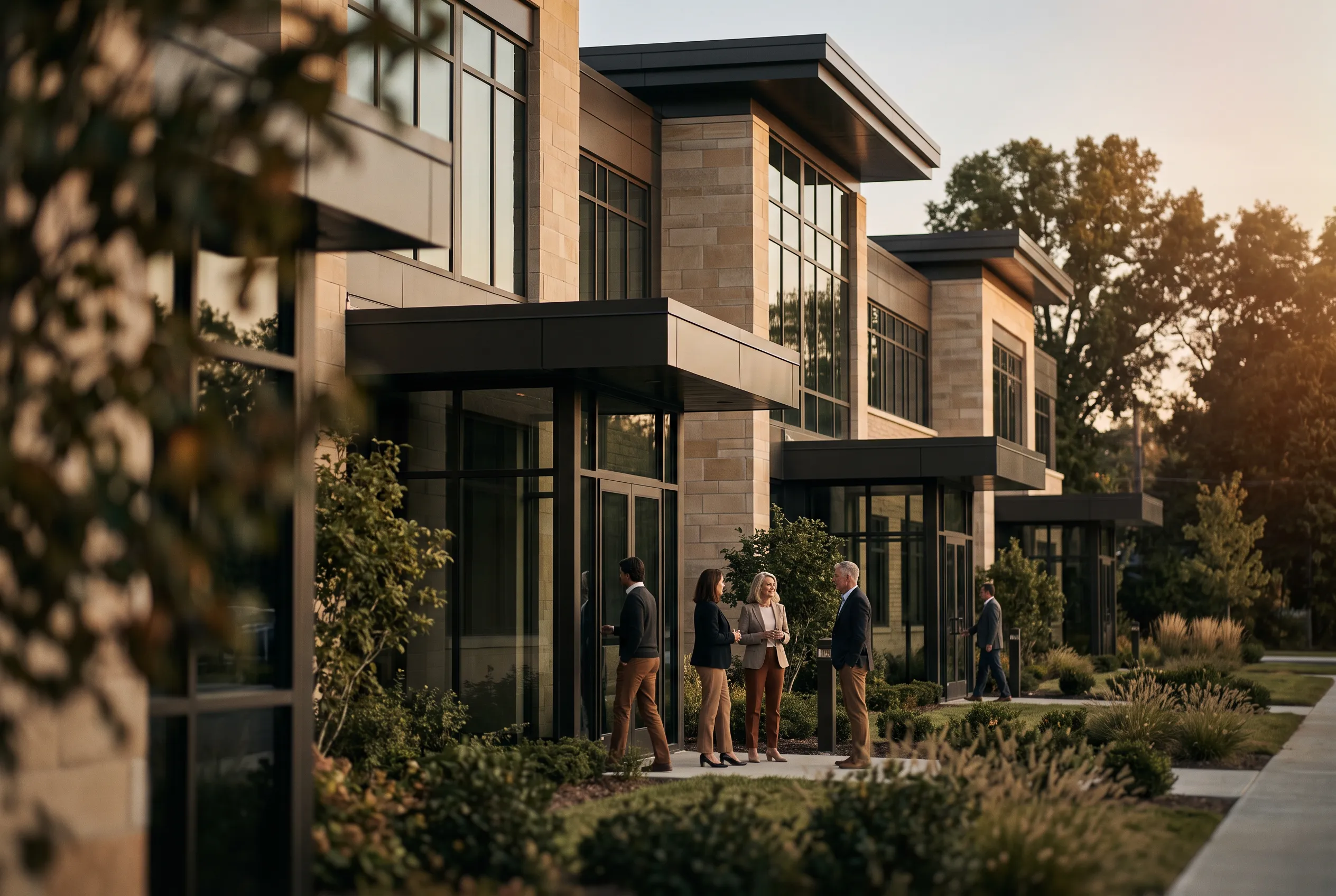
Multi-tenant medical outpatient buildings in established healthcare locations — on hospital campuses or in proven medical corridors.
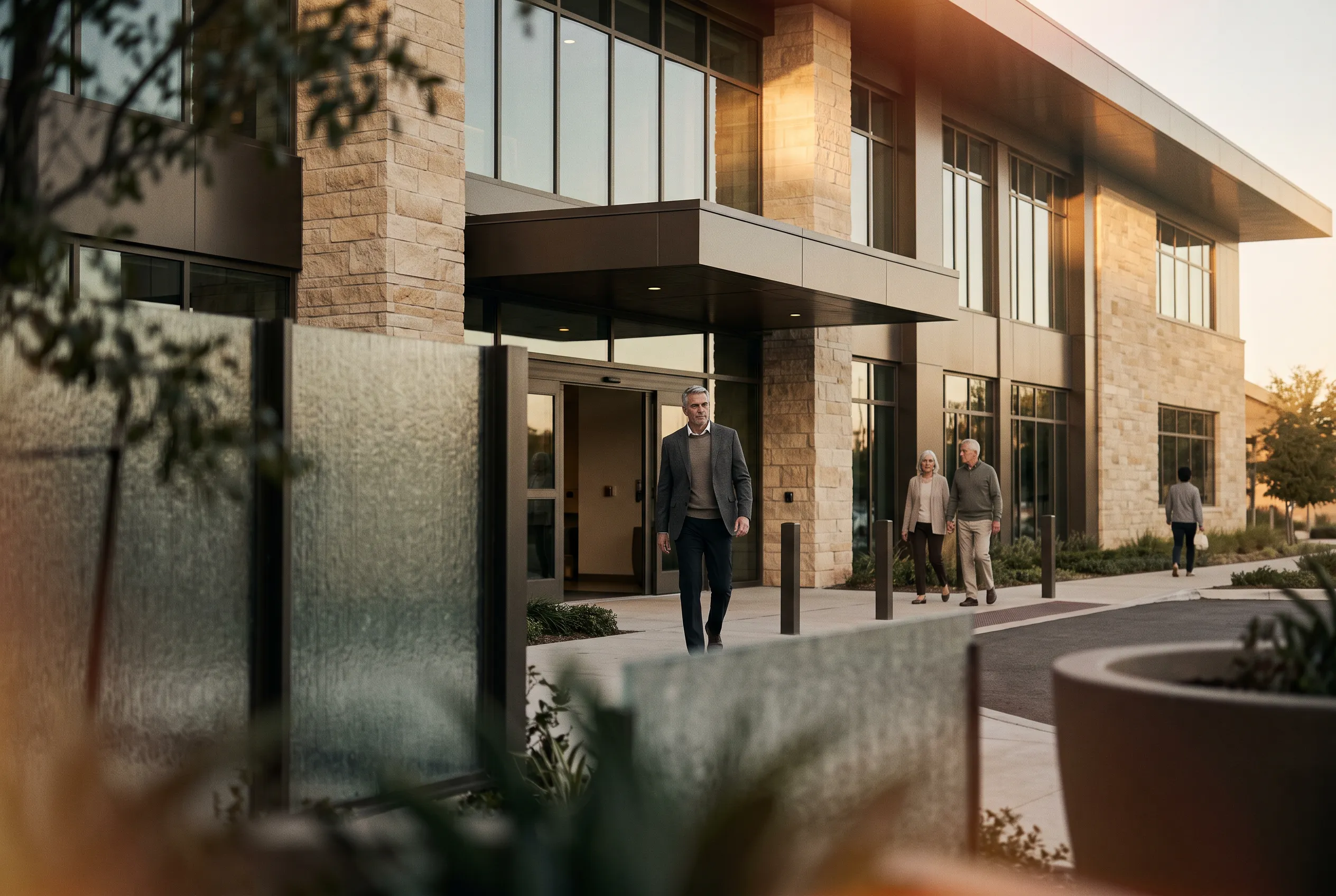
Physician groups, health-system affiliates and specialty providers with operating history in the building.
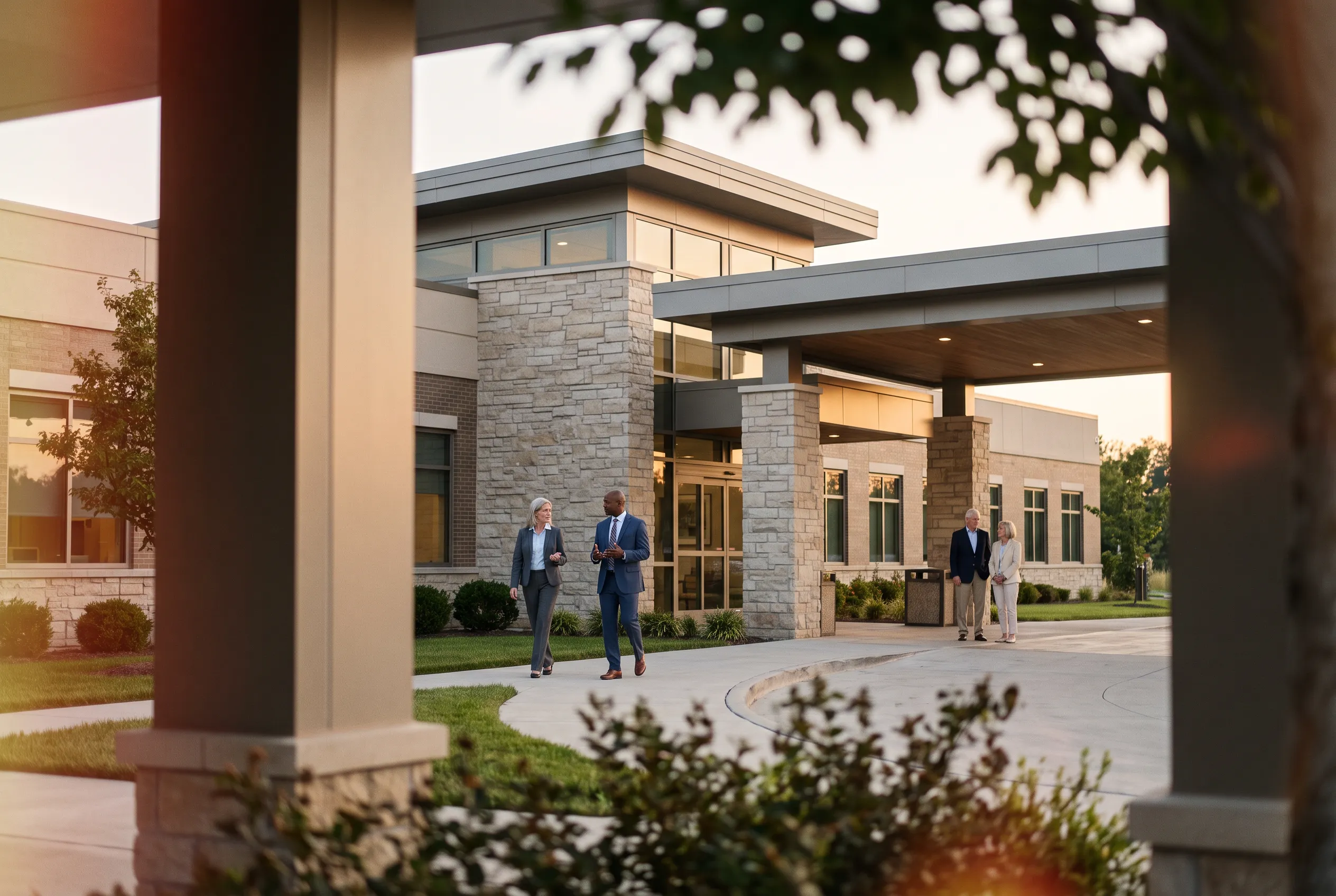
Durable in-place income, with upside through lease-up, renewals and hands-on management.
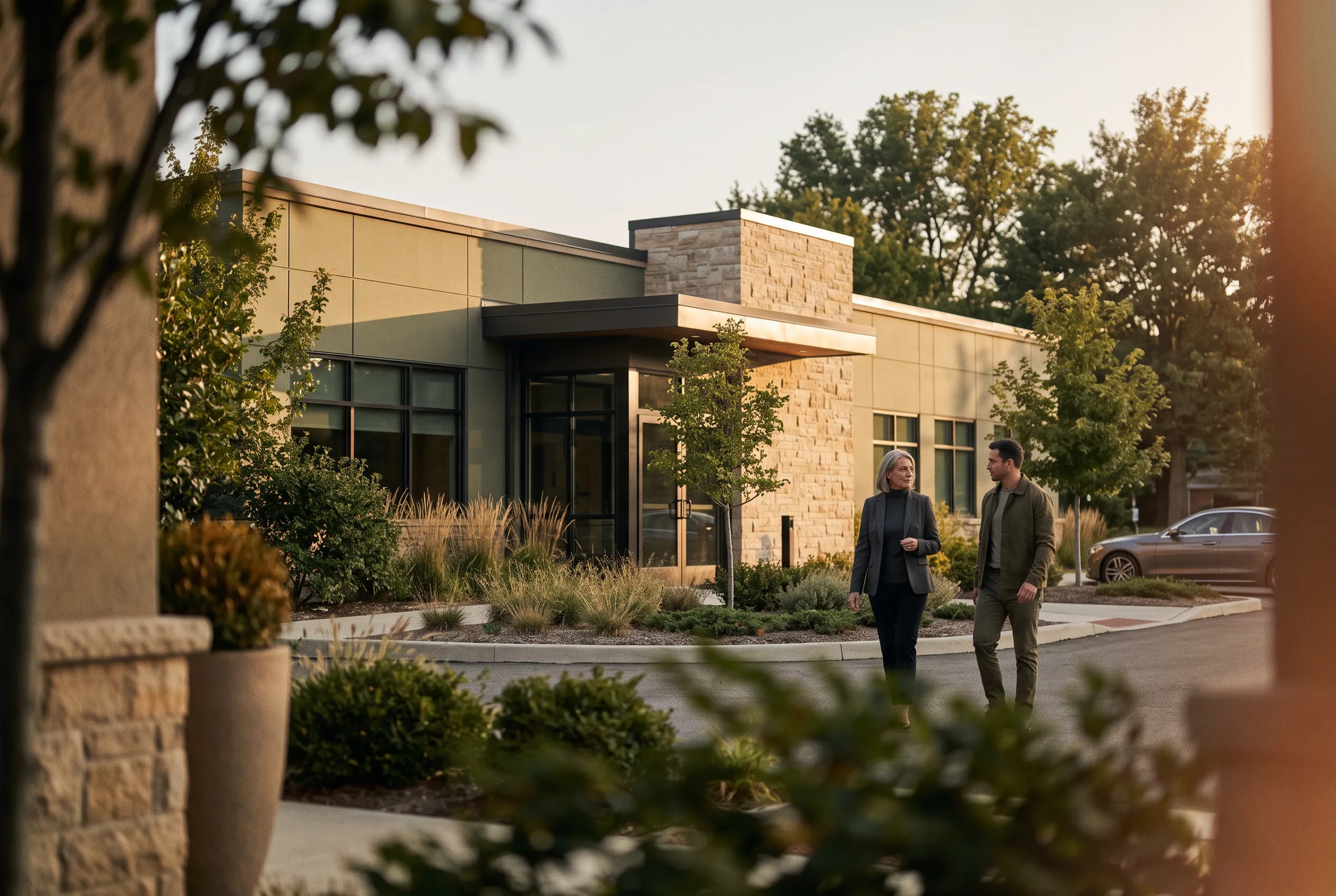
Small-to-mid-market deal sizes — the space between private money and institutional portfolios.
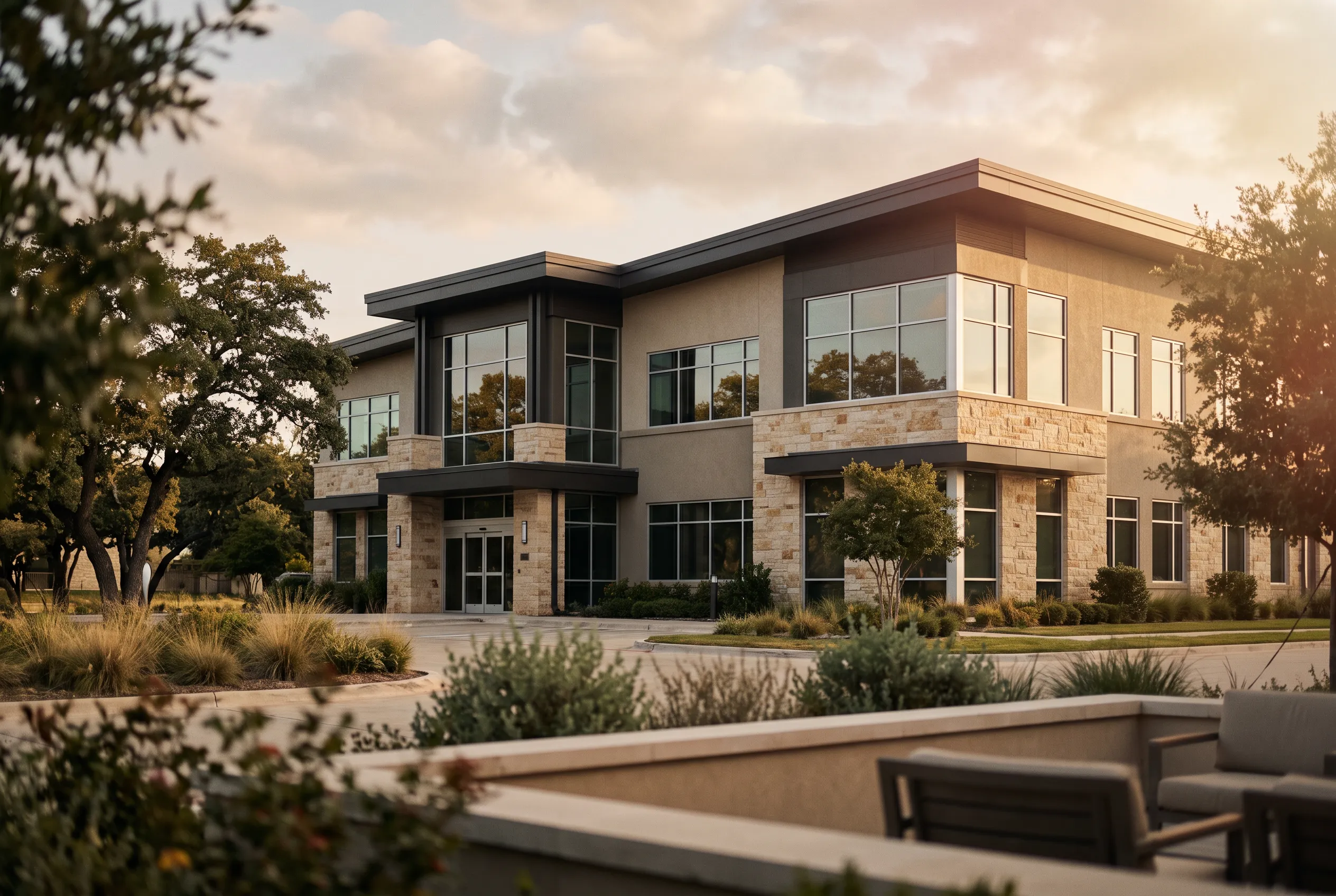
Resilient suburban and secondary markets nationwide. Established healthcare locations can include hospital campuses and proven medical corridors.
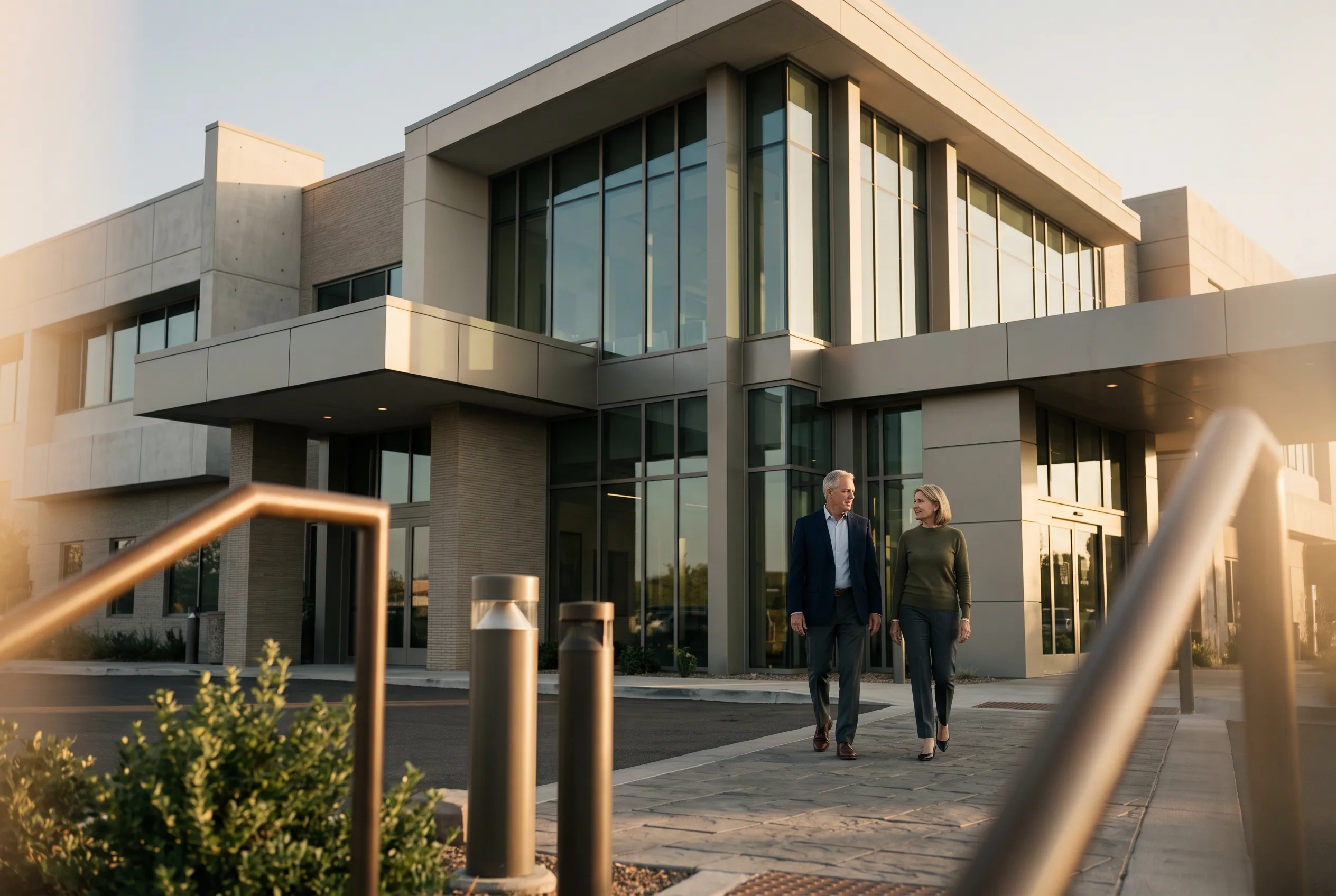
NNN, gross or expense-stop leases; fee-simple or hospital ground lease.
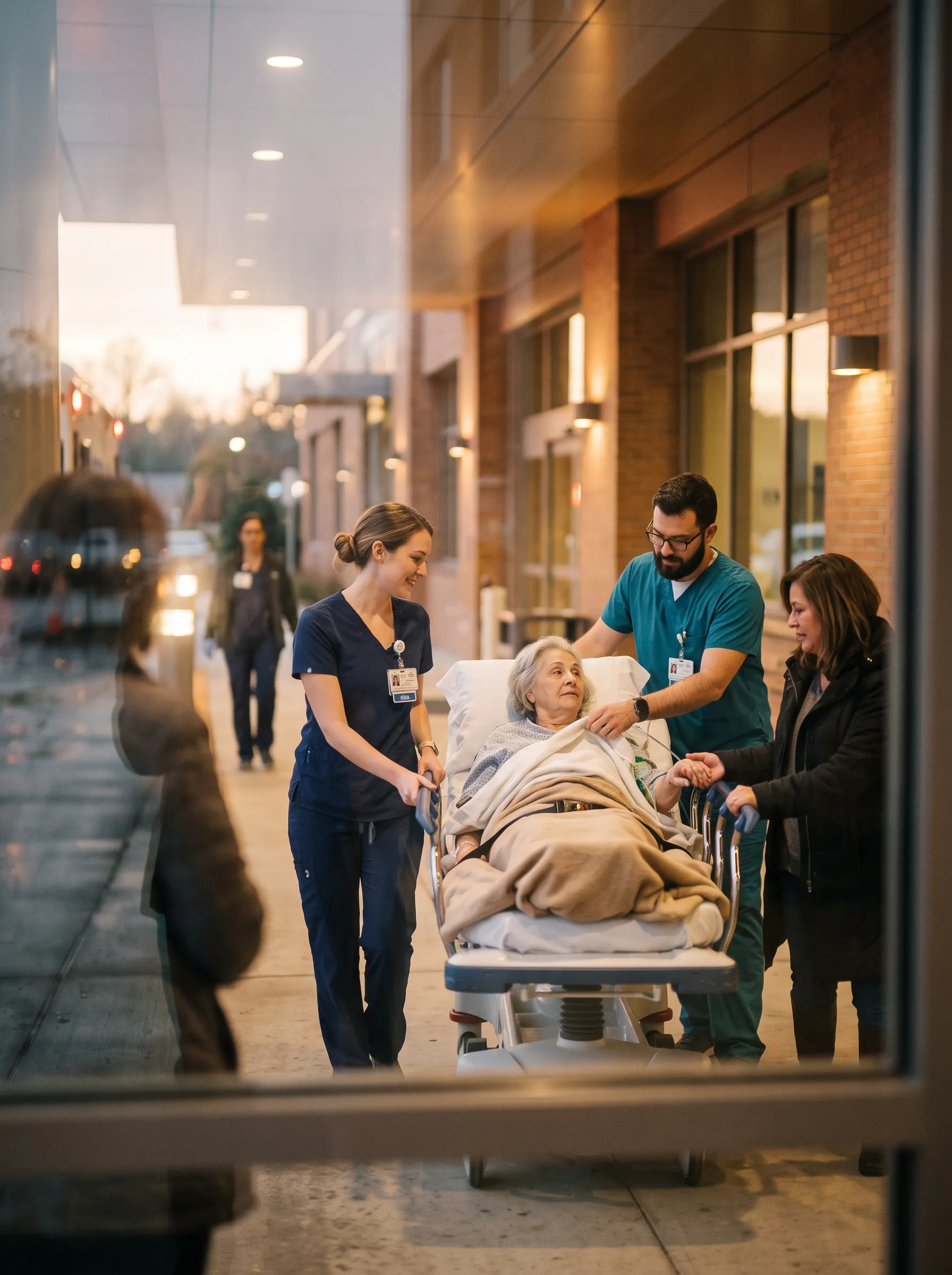
A large share of the U.S. medical outpatient stock is owned by small, non-institutional owners — physician partnerships that bought the building to house their own practice, a founding doctor who is now retiring, a family that inherited it, or a local investor with three assets and no leasing staff. Excellent buildings, owned by people whose full-time job is medicine.
That's where the upside often appears: rents that haven't moved because an owner-occupant never wanted to raise rent on colleagues; a suite that went dark and sat because nobody was marketing it; operating costs absorbed rather than recovered; common areas, elevators and parking a professional owner would have programmed years ago; and succession conversations nobody has wanted to start.
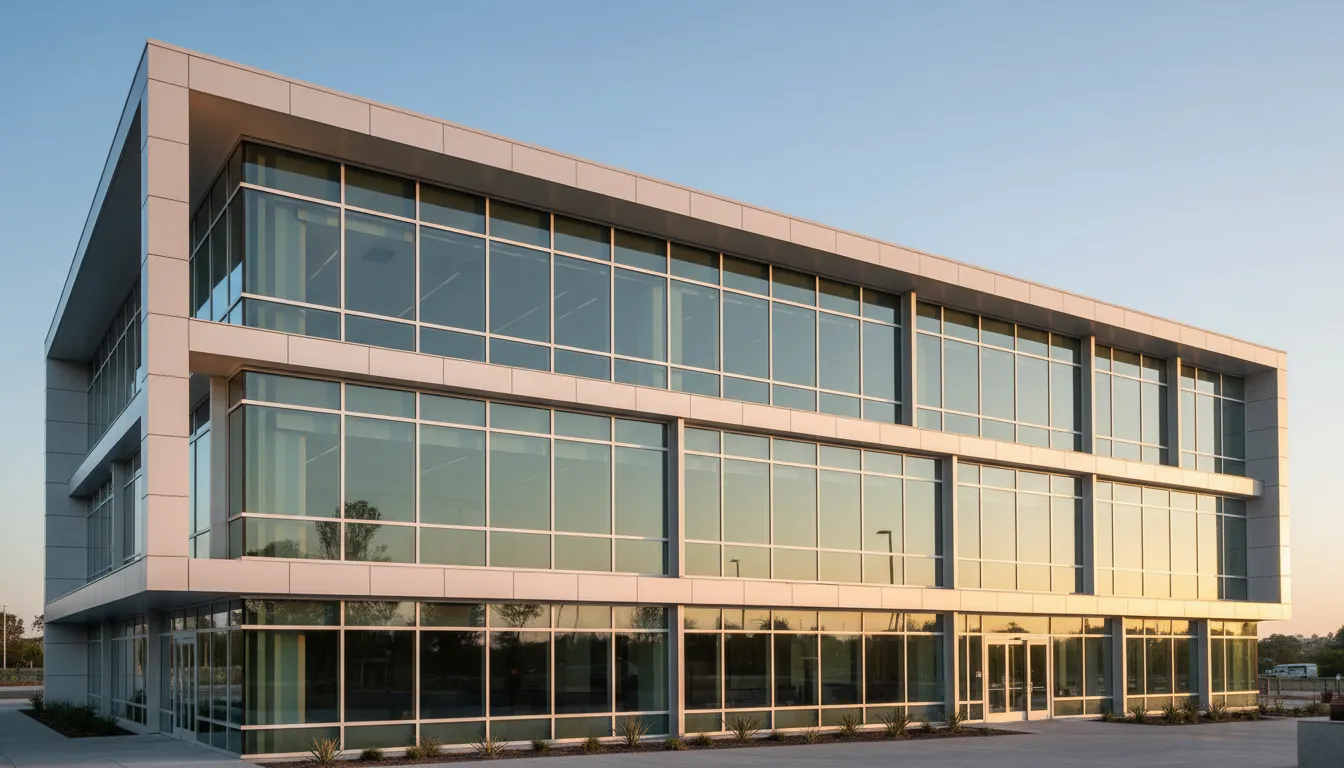
A single-tenant building is a credit bet: one lease, one renewal date, one conversation that decides the asset. A well-tenanted multi-tenant building spreads that across specialties with staggered expirations, gives us a rent roll we can actively manage, and gives each practice neighbors that refer to it. We'll take five good tenants over one great one.
 [01]
 [02]
 [03]
 [04]

Executed leases, actual operating statements and real reconciliations, not marketing pro formas.

Immediate underwriting, fast decisions and pre-arranged financing.

When the documents support the offer, OTIMA closes on the terms it signed.
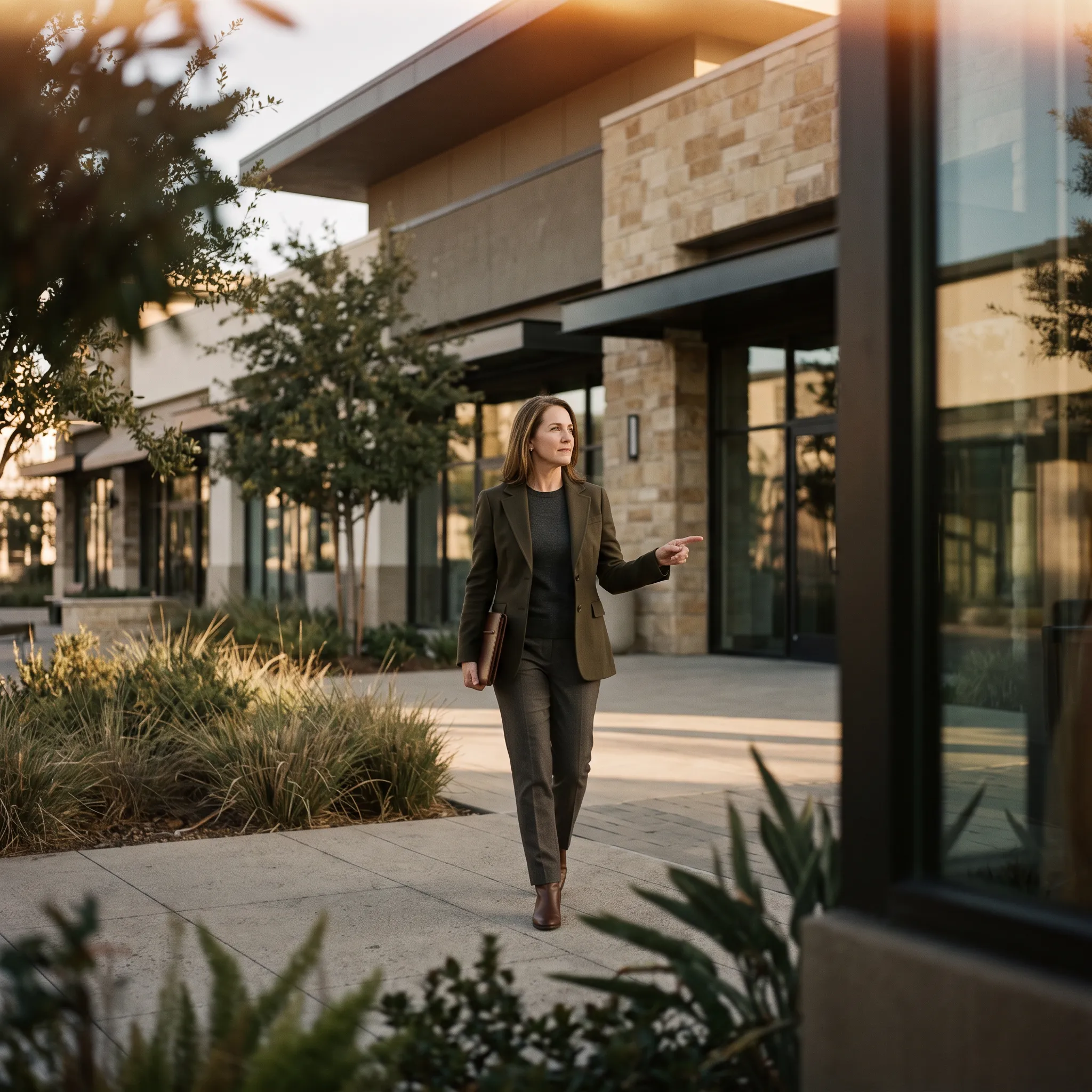
Active asset management, direct tenant relationships and continued reinvestment.
Most doctors we meet aren't trying to exit their building. They're trying to stop owning it - to take the equity off the balance sheet, resolve a partnership that's no longer aligned, or fund a retirement without disrupting the practice.
THE SALE-LEASEBACK PROCESS
Practice owns the building and wants to unlock the real estate equity without disrupting operations.
The practice sells the building to OTIMA.
The practice signs a long-term lease on terms agreed before closing.
The partners get liquidity. The practice gets occupancy certainty and a landlord whose job is actually running the building.
Nothing changes for a single patient.
Structuring Flexibility
We'll also buy the building around a practice that wants to stay as one tenant among several, or take on a building where the departing owner's suite becomes our first leasing assignment. Tell us the outcome you need and we'll structure toward it - straightforward purchases that keep you focused on the practice.

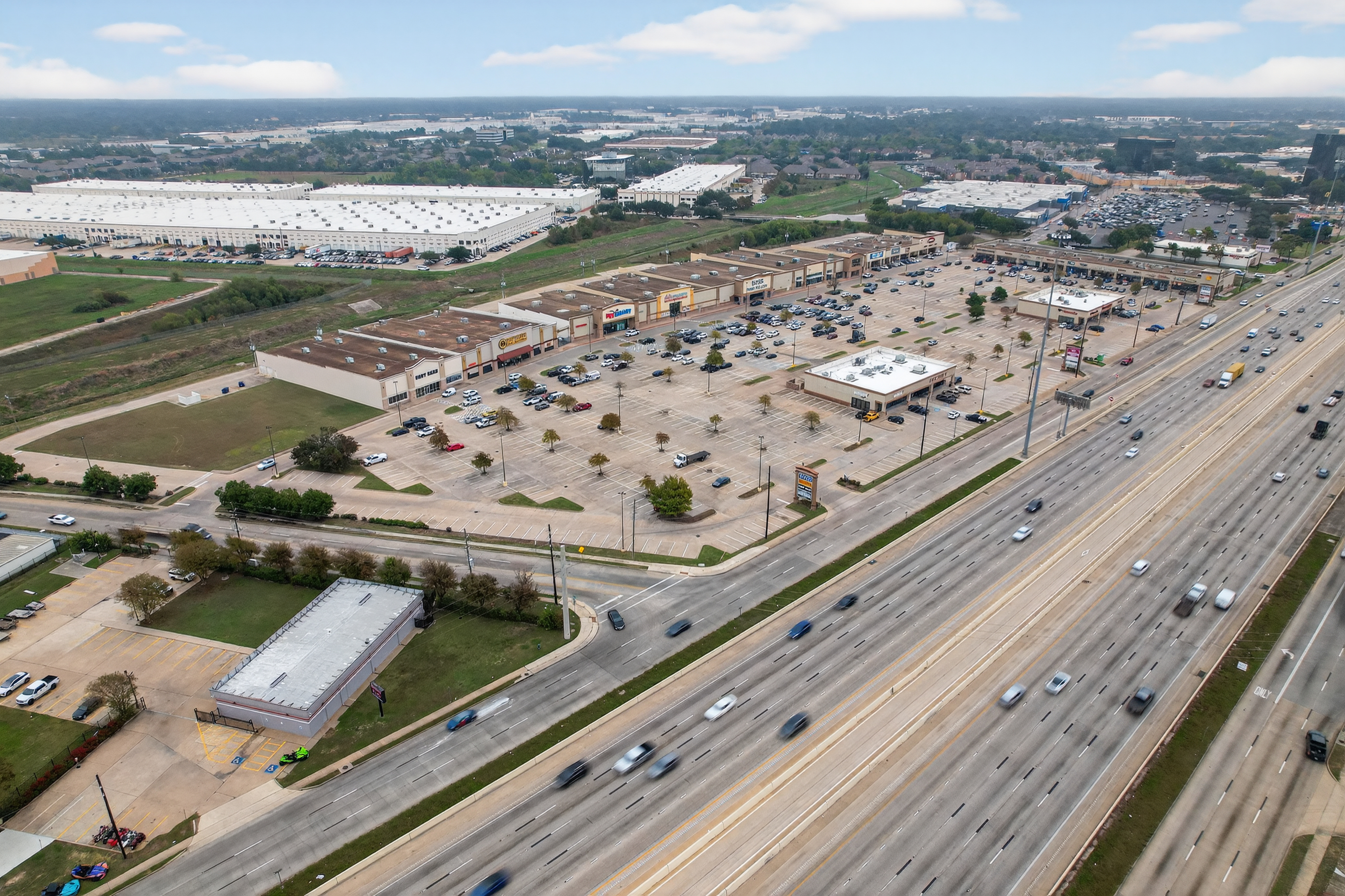
Houston, TX · Necessity Retail
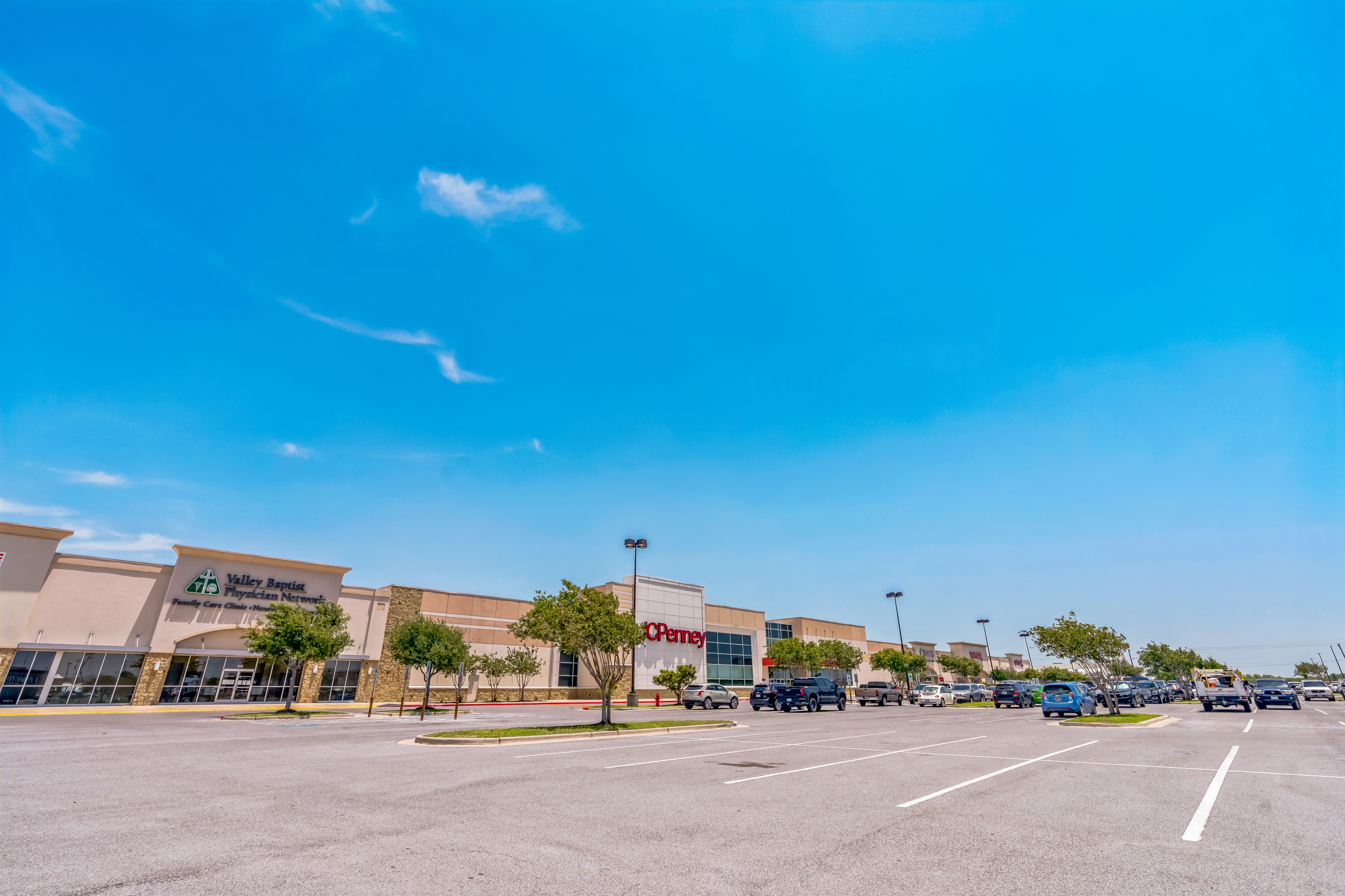
McAllen, TX · Retail
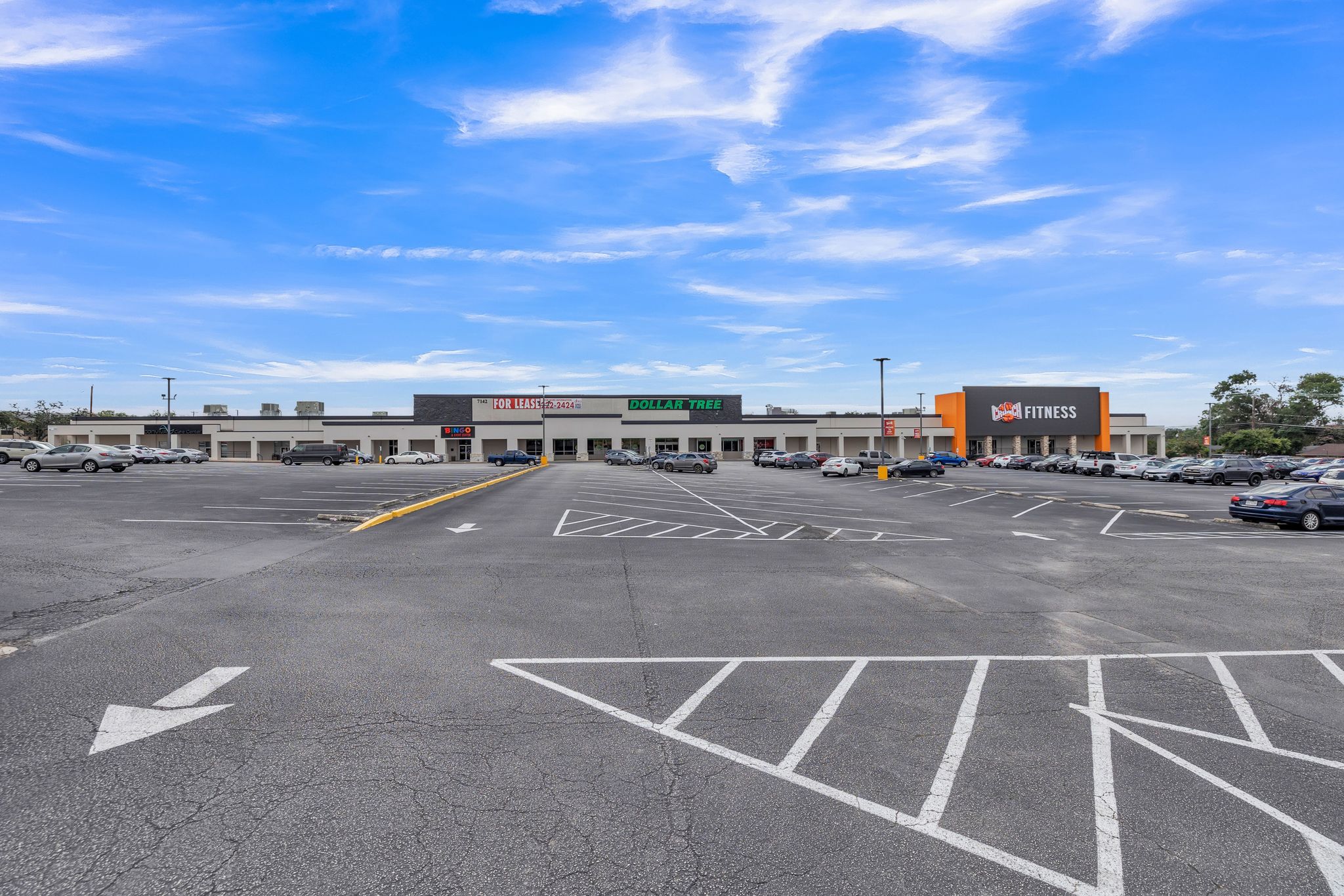
San Antonio, TX · Retail
Property Ownership & Management: Each real estate investment opportunity is sponsored through a separate special-purpose entity (SPE, LLC, or LP). The applicable Investment Entity, and not OTIMA Investments LLC or its principals in their individual capacities, acquires, owns, finances, operates, and disposes of the respective property. OTIMA or its affiliates may serve as manager, sponsor, or service provider as governed solely by the relevant Offering Documents.Read ownership disclosure →